




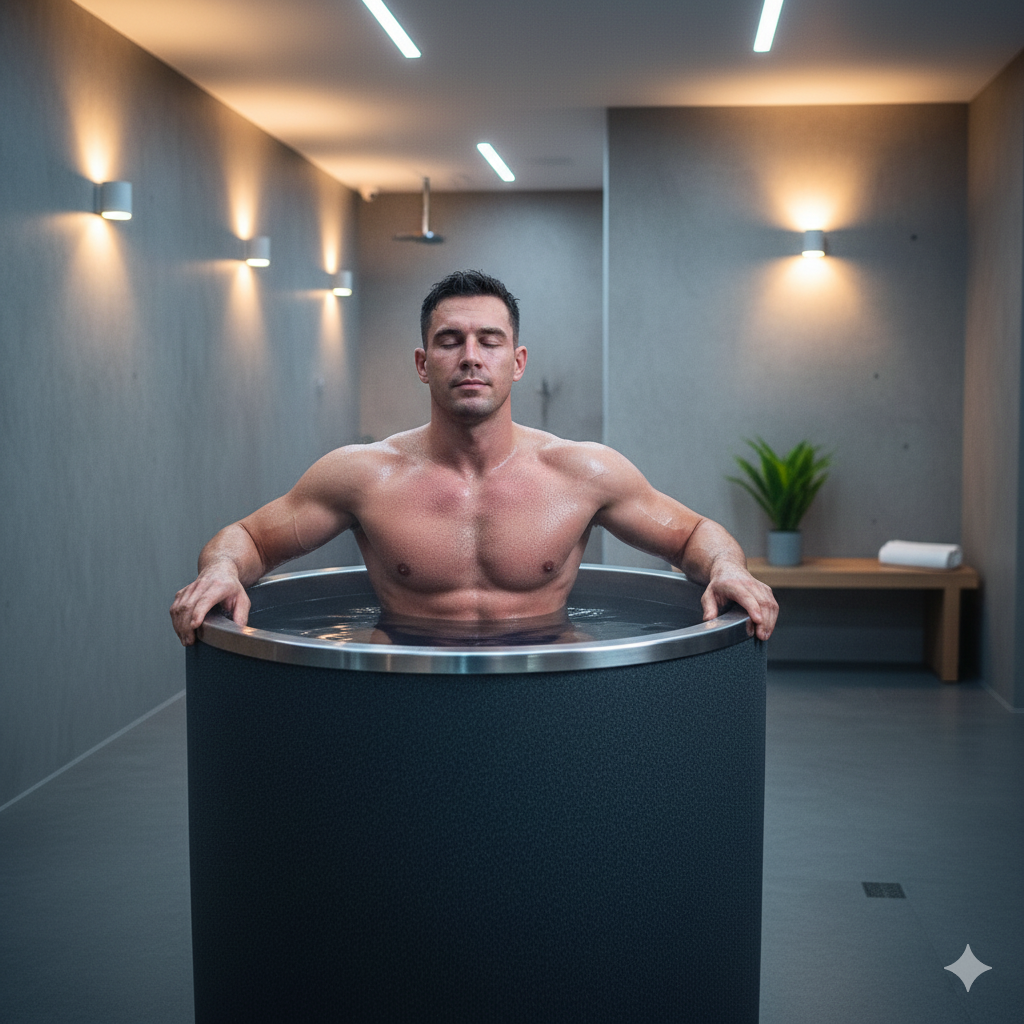
By now, I am sure you have heard about Ice Baths, but lets dive in and see if it is right for you, the real benefits of ice baths, potential risks and things to consider before taking the plunge!
What on earth is an ice bath?
An ice bath involves intentionally immersing your body, typically up to your neck or chest, in water that is significantly colder than your normal body temperature. It can also be called a “cold plunge” or “cold water immersion” (CWI). It has become increasingly popular recently due to social media, trends on tiktok and celebrity endorsements. BUT, is it right for you? What are the real benefits of ice baths, the potential safety concerns, and how do you do it properly? Let us dive in and understand all there is to know about ice baths and if we should be implementing them into our recovery regimes.
The Science Behind Cold Water Immersion:
When you enter an ice bath, the shock of cold water triggers a physiological response in your body. One of the first things that will happen is rapid constriction of blood vessels (vasoconstriction). This is a protective mechanism designed to slow blood flow to your core organs to maintain body temperature. As you adapt, other processes kick in such as alterations in hormone production and blood flow, and even an activation of the immune system.
Different Types of Ice Baths:
Many of these terms are used interchangeably, but lets see how the meanings differ:
- Ice Baths: Typically involve adding ice to water to reach a very cold temperature.
- Cold Plunges: Often refer to dedicated plunge tanks or pools designed for cold immersion, sometimes with built-in temperature regulation and filtration. These options vary in cost and features. This might be what you find in a public place, like a gym or dedicated ice bath centre.
- Cryotherapy: Involves exposing the body to extremely cold, dry air for a very short duration, usually not involving water immersion.
- Open Water: Diving into a lake, river or ocean with very cold temperatures. This might be done as part of a team challenge, in events, or programmes such as outward bound.
What Are The Benefits Of Ice Baths?
Many athletes and wellness enthusiasts are now exploring the benefits of ice baths to improve their performance. The growing popularity of ice baths stems from a wide range of reported physical and mental benefits:
1. Recovery & Performance:
- Reduces muscle soreness and inflammation: Maybe it’s just a placebo effect or maybe it really works, but many athletes swear by ice baths and report that they reduce inflammation and delayed onset of muscle soreness (DOMS) after intense training. This reduces overall soreness so they can perform again the next day. The initial vasoconstriction followed by a return to normal blood flow is thought to cause this.
- Speeds up recovery after intense workouts: By potentially flushing metabolic waste products and reducing tissue breakdown, ice baths are believed to accelerate the recovery process, allowing for quicker return to training. However some experts like Huberman, suggest not to do ice baths after weight training as it might blunt muscle growth.
2. Mental Resilience:
The mental benefits of ice baths, including resilience, are significant for many individuals.
- Boosts mental toughness and stress adaptation: Voluntarily subjecting yourself to the discomfort of cold water can build mental resilience and teach your body and mind to better cope with everyday stresses. Regular plunges may improve your resilience to stress by decreasing cortisol levels.
- May improve mood and reduce anxiety: The shock of entering the ice bath can lift fatigue and mood, caused by the release of endorphins and noradrenaline in the brain. This can give the feeling of invigoration and energy. Some research suggests CWI might have positive effects on mental health, and can help people with emotion regulation. The surge in noradrenaline increases blood flow to the brain, potentially causing feelings of euphoria, similar to a “runners high,” though more research is needed to see if it affects anxiety and depression long term. It may also contribute to feeling happier.
3. Health & Immunity:
Some studies suggest notable health benefits of ice baths, particularly in immune response.
- Potential immune system benefits: While the research is ongoing, some studies suggest that regular cold exposure may lead to a more responsive immune system over time.
- Enhances circulation and metabolism: The body’s response to cold triggers vasoconstriction followed by vasodilation (widening of blood vessels) upon rewarming, which can enhance circulation. Some proponents also suggest it can prevent obesity by boosting metabolism, although more robust evidence is needed.
- Improved sleep for some individuals: By reducing stress and promoting a cooler body temperature, cold plunges may stimulate the parasympathetic nervous system and boost slow-wave sleep, the restorative deep sleep stage. Therefore you may feel overall more energised and awake after starting an ice bath routine. Those seeking better sleep patterns may find the benefits of ice baths to be a natural remedy.
What Are The Potential Risks and Side Effects Of Ice Baths?
Although there are many benefits of ice baths, they are not suitable for everyone. Possible side effects include:
- Hypothermia and overexposure risks: Prolonged immersion in very cold water can lead to a dangerous drop in body temperature (hypothermia). It’s crucial to stay within the recommended duration (no more than 15min) and temperature guidelines.
- Who should avoid ice baths: People with pre-existing health conditions should be careful and consult their GP before diving in. This includes those with heart conditions (due to the significant cardiovascular stress), high blood pressure, peripheral vascular disease, diabetes (which can affect circulation and sensation), cold urticaria, and Raynauds Syndrome.
How To Take An Ice Bath Safely
To feel the benefits of ice baths, you must first do it safely. Here’s a step-by-step guide to ensure you get the most out of your first ice bath experience.
Before:
- Decide where you are going to do it, and what you need: Are you going to book a spot at a dedicated centre, or do it at home or at a friend’s house? If you are doing it at home, you will need a tub or plunge tank, ice, a thermometer to check the water temperature, and a timer. Have your towel and warm clothes nearby for after. Fill the tank, leaving enough space for you without overflowing it when you enter.
- Have a plan: Know how long you intend to stay in and have a way to safely exit the tub. Do not do an open water immersion alone, always take a buddy. Prioritise consistency over extremes.
Remember to consult your doctor if you have any underlying health conditions.
During:
- Start slowly and submerge gradually. Enter the water slowly, allowing your body to adjust to the cold. For your first few times, aim for shorter durations (1-2 minutes) and slightly warmer temperatures within the recommended range. You might start at 13 – 15 degrees and work your way down to 10 degrees. Over time you can increase your exposure by 30 seconds – 1 minute per dip as you get used to the cold. Listen to your body and respect the signals.
- Focus on your breathing: The initial shock can be intense and cause an involuntary gasp. Practice slow, deep, controlled breaths to help manage the discomfort and the cold shock response. Some people find it useful to follow the Wim Hof breathing technique.
- Submerge to a comfortable level: Most find submerging up to the neck or chest to be most effective, but you may only submerge up to your belly button the first time and gradually go deeper.
- Get out of the water immediately if you feel excessively cold, dizzy, or unwell. The recommended temperature is typically 10–15°C. Be aware of risks such as cold panniculitis, the cold shock response (initial, involuntary reactions to cold water), ice burn, and potential nerve damage.
After:
- Warm up safely: Exit the ice bath slowly and dry off immediately with a warm towel. Dress in warm, comfortable clothes. Avoid very hot showers or baths immediately, as this can shock your system. Gentle movement can help your body warm up naturally.
- Hydration and movement tips: Drink a warm beverage and engage in light activity to promote circulation.
How Do Ice Baths Compare To Other Recovery Methods?
Ice baths are just one method of promoting recovery. Other popular methods include:
- Heat therapy: Often used for muscle relaxation and pain relief, generally preferred for chronic muscle stiffness rather than acute inflammation.
- Compression: Garments can help reduce swelling and improve circulation.
- Stretching: Essential for maintaining flexibility and range of motion.
- Contrast baths: Alternating between warm and cold water immersion may offer a less intense form of cold therapy.
- Cold showers: A less extreme way to experience some of the benefits of cold exposure.
When Is The Best Time To Take An Ice Bath?
- Many athletes prefer to take an ice bath after working out to aid recovery. If you choose to do this, you should do it within 1 hour of exercise, especially after high-intensity workouts that cause muscle damage and inflammation.
- Some people find morning plunges invigorating for the day ahead.
- Consistency is key, once you have found your preferred timing, aim to do it consistently.
- The frequency is based on individual tolerance and goals. Some incorporate it daily, while others find weekly or an as needed basis sufficient.
So now you have read all about the benefits of ice baths and the potential risks, do you want to try an ice bath?
Where To Try Ice Baths In Singapore
There are some dedicated Ice Bath facilities in Singapore such as:
- The Ice Bath Club – Located at River Valley and East Coast. They are open 7am – 10pm daily and can cater to individuals or groups. No need to bring anything, they will provide everything for you, and no booking required also! Just drop in within their opening hours.
- COLD PLUNGE SG – A vibrant community gym hub offering cold plunges, yoga, stretch therapy, breathwork and sound bath. Located centrally at Tanjong Pagar. Book ahead!
- Core Collective – Wellness hub offering many different health and wellbeing services. Offering 2 introductory ice bath sessions for $25!
Now we know that the benefits of ice baths offer a powerful and increasingly popular way to challenge your body and mind. From potentially reducing inflammation and enhancing recovery to boosting mental resilience and mood, the benefits of ice baths are compelling. However, it’s crucial to start slowly, prioritize your safety, and listen to your body. Remember to consult an expert before diving in if you have any health concerns and be aware of the potential risks. Embrace the chill, and you might just discover a powerful new tool for your wellness kit!
Frequently Asked Questions
How cold should an ice bath be?
The recommended temperature is between 10–15°C. Start at the higher end and gradually reduce the temperatures as you get more accustomed to it.
Can ice baths help with weight loss?
While cold exposure can temporarily increase metabolism, it’s not a primary strategy for significant weight loss. It should be considered a complementary practice alongside a healthy diet and exercise.
Are ice baths safe for beginners?
Yes, please read this guide from start to end and remember it’s crucial to start slowly with shorter durations and slightly warmer temperatures within the recommended range. Always listen to your body and exit if you feel too uncomfortable. Consult with a healthcare professional beforehand if you have any medical conditions.
Where can I try ice baths?
Try ice baths in Singapore at dedicated facilities like Core Collective, Tundra Ice Bath, The Ice Bath Club.
How much should I pay for an ice bath in Singapore?
Dedicated recovery centers or wellness studios will have different pricing structures compared to a one-time pop-up event. Prices can range from approximately $30 to $55 per session, with package deals or drop-in rates available, though prices can vary. The cost depends on the type of facility, session length, and whether you purchase a single drop-in session or a package. Some may also include use of saunas, showers and coffee afterwards so do check what the price point includes.
What happens after 30 days of ice baths?
Many report experiencing significant benefits of ice baths after consistent practice. You may experience improved mental resilience, better mood, reduced muscle soreness, faster recovery after exercise, more efficient circulation, boosted metabolism and immunity. The best way to find out is to try it for yourself and record your findings!
Does a cold plunge burn fat?
Yes, a cold bath can help with fat loss by activating brown fat (brown adipose tissue), which burns calories to generate heat, and by making the body work harder to maintain its core temperature. However, it is not a significant or standalone method for weight loss. Cold baths alone will not significantly reduce body fat. They are a supporting tool in a broader wellness plan and should be combined with a healthy diet and exercise.
What time of day is best for a cold plunge?
Your circadian rhythm is calibrated everyday by factors like direct sunlight, the sympathetic nervous system, and more. We recommend cold plunging in the morning to wake your body up, which kicks the sympathetic nervous system into gear and synchronises your circadian rhythm’s “start” phase.
Why are ice baths so popular now? Is it just a trend?
Ice baths have gone mainstream. Initially practised mainly among high-performance athletes, cold water immersion is now a booming business model for everyone: sold as recovery, discipline and therapy all in one! It can be done alone, as part of a team building session, corporate events or among friends. It is no longer just for athletes, but for those who care about their mental and physical well-being.
Which celebrities are doing ice baths?
As ice baths grow in popularity, the benefits of ice baths are becoming more widely discussed. Celebrities such as LeBron James, Jennifer Aniston, Drake, Chris Hemsworth, Hugh Jackman, David Beckham, and Kim Kardashian are known for doing ice baths for various benefits like muscle recovery, stress reduction, and improved mental clarity. Other public figures who have embraced the practice include Harry Styles, Jessica Alba, and Lady Gaga.
Should I get my own DIY ice bath setup, or use a professional cold plunge pool?
Professional plunge tanks offer temperature control and convenience but come with a higher cost. Consider your budget and commitment level when exploring your options. If you have your own bathtub at home, you can easily add ice. However if you need to install a plunge pool you will have to consider if you have space, the power and water consumption, filtration and temperature control, maintenance etc.
Where to buy my own cold plunge pool and accessories?
Leading online marketplaces such as amazon, and lazada do offer ice baths, but if you want something tried and tested by dedicated sporting and wellness people, or something you can check out locally, then you can opt for companies with dedicated products such as hydragun.sg, icebath.sg, homefitness.com.sg, 2047.sg.
If you enjoyed reading this article, click here to read more wellness insights.
We are currently experiencing technical difficulties with the Request for Appointment webform. Please bear with us while we work on getting it back as soon as possible.
For appointment requests, please click here to WhatsApp us!
Take the First Step. Request for Appointment.