



One-to-One Pilates Adapted for Scoliosis
At Core Fitness, Pilates for scoliosis is delivered exclusively through private one-to-one sessions for adolescents and adults. Each programme is adapted to the individual’s spinal curve, posture, movement patterns, physical abilities and goals.
Our approach brings together Pilates exercises and scoliosis-specific movement principles. Sessions may include postural awareness, elongation, breathing, mobility, trunk control and progressive strengthening using mat exercises and Pilates equipment.
Private Pilates is an exercise service and is distinct from physiotherapy. It is generally not insurance-claimable. Clients with significant pain, a recent diagnosis, concerns about curve progression or a history of spinal surgery may be advised to begin with a physiotherapy assessment.
How Pilates for Scoliosis Is Adapted
Pilates for scoliosis is not a standard workout applied to every client. Exercises, equipment settings and movement cues are adapted to the individual’s spinal presentation, mobility, strength and symptom response.
Depending on the client’s needs, sessions may focus on the following areas:
Postural Awareness and Control
Curve-specific positioning and movement guidance can help clients recognise their habitual posture and develop greater control during exercise and everyday activities.

Body Awareness
One-to-one guidance helps clients understand how their spinal curve affects alignment, breathing and movement, supporting more considered movement choices.
Strength and Stability
Comfort and Symptom Management
Carefully selected exercises may help manage muscular tension, stiffness and postural fatigue. Exercises are adjusted according to comfort and individual response.
Mobility and Range of Movement
Adapted Pilates exercises can encourage mobility through the spine, ribcage, shoulders and hips without forcing movement into uncomfortable ranges.
Long-Term Movement Practice
Pilates offers a structured way to practise movement skills over time, with the programme adjusted as the client’s abilities, needs and goals evolve.
What to Expect from Private Pilates for Scoliosis
Every programme begins with an individual session so that the instructor can understand your movement history, scoliosis presentation, current abilities and goals.
-
Initial discussion and movement review: Your instructor will discuss your scoliosis history, symptoms, daily activities and previous exercise experience. Existing X-rays or medical reports may be reviewed where available.
-
Personalised exercise programme: Exercises are selected according to your spinal curve, posture, mobility and strength. Sessions may include mat work and Pilates equipment.
-
One-to-one guidance: Your instructor will observe your movement closely, provide clear feedback and adapt exercises according to your comfort and response.
-
Ongoing progression: The programme will be reviewed over time, with exercises adjusted as your movement awareness, strength and confidence develop.
Scoliosis is often a long-term structural condition. The purpose of Pilates is not to promise structural correction, but to support movement quality, physical capacity and practical self-management around the individual spinal curve.
Regular attendance and appropriate practice between sessions can help reinforce the movement strategies introduced during Private Pilates.
For a closer look at movement considerations later in life, read our practical guide to Pilates for adult scoliosis.
Meet Our Pilates and Schroth Instructors
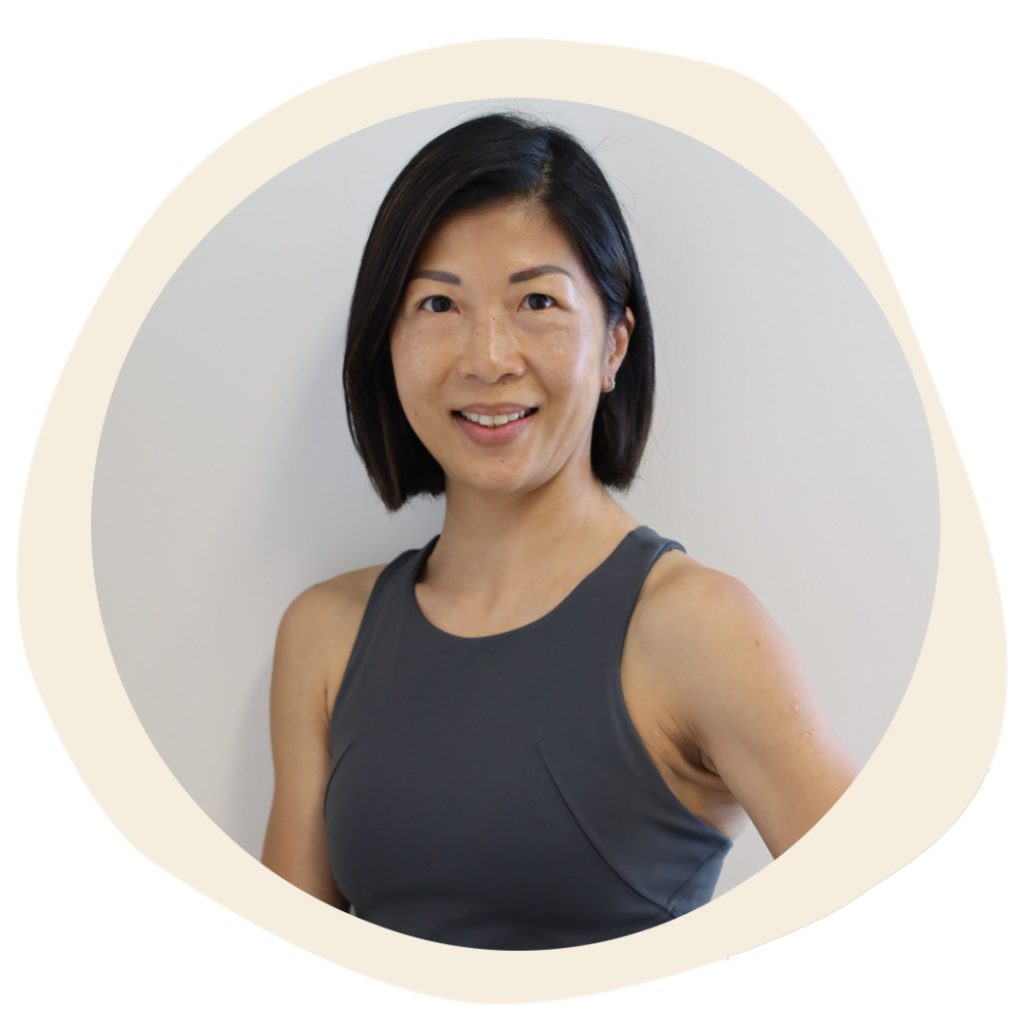
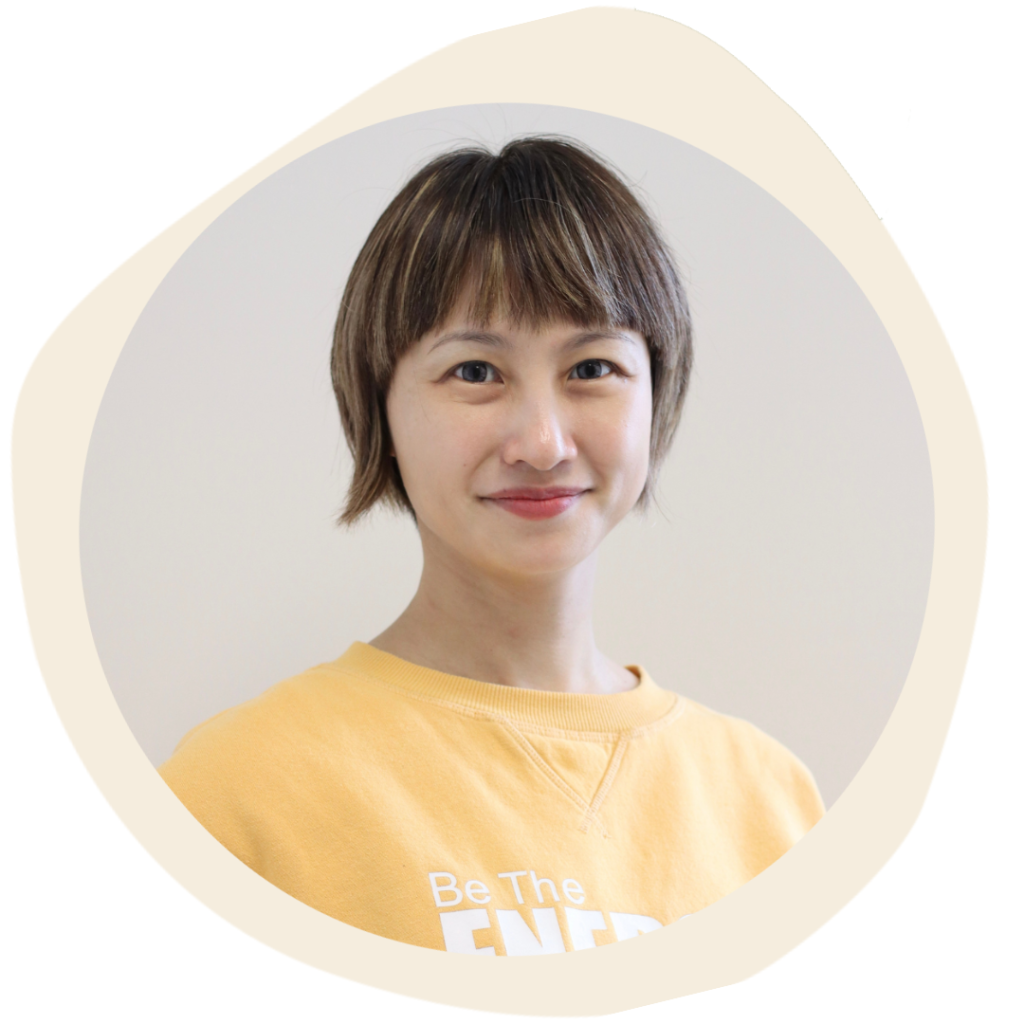
Our Pilates for scoliosis sessions are led by experienced instructors with training and practical experience in scoliosis-focused movement. Selected team members are also certified ISST Schroth Therapists. Every session is conducted one-to-one and adapted to the client’s individual spinal presentation and movement needs.
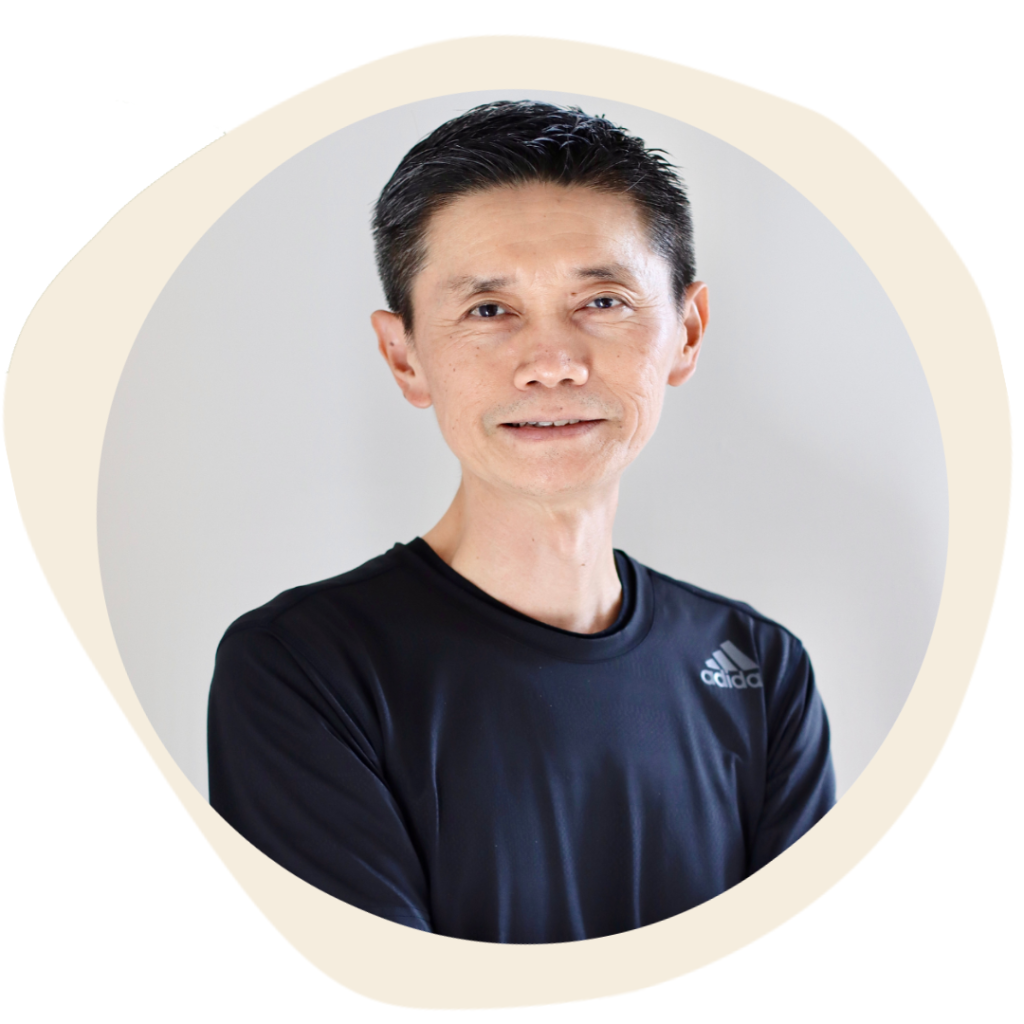
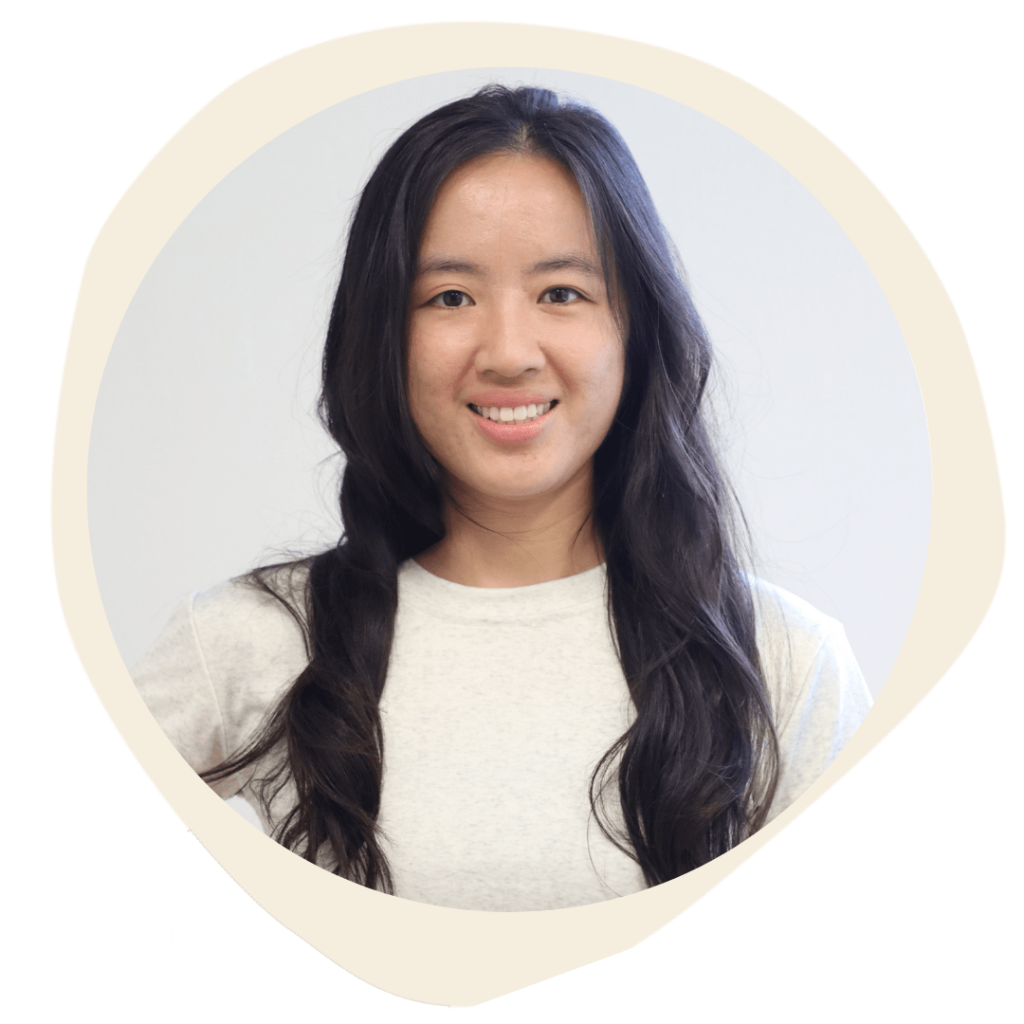
KEW JING WEN
Senior Pilates Instructor & Schroth Therapist
Certified ISST Schroth Therapist
Frequently Asked Questions
- Can Pilates help scoliosis?
Pilates cannot cure scoliosis, but appropriately adapted exercises may support postural awareness, mobility, strength, breathing and movement control. Some clients also find that regular practice helps them manage stiffness, muscular tension and postural fatigue. The programme should be adapted to the individual rather than based on a standard sequence of exercises. - Is Pilates safe for scoliosis?
Pilates can be appropriate for many people with scoliosis when exercises are selected and modified according to the individual’s curve, symptoms, age and physical abilities. At Core Fitness, all Pilates for scoliosis sessions are conducted one-to-one so that the instructor can observe the client’s movement and adapt the session accordingly. - What is the difference between regular Pilates and Pilates for scoliosis?
General Pilates programmes are usually designed around broader fitness and movement goals. Pilates for scoliosis considers the individual’s spinal asymmetry, postural habits, breathing, trunk control and movement preferences. At Core Fitness, exercises and equipment settings are adapted to the client’s particular presentation rather than following a standard class format. - Do I need physiotherapy before starting Pilates for scoliosis?
Not everyone needs physiotherapy before beginning Pilates. You may be able to start with a Private Pilates instructor if your condition is stable and your goals relate mainly to posture, mobility, strength or movement confidence.
Begin with a physiotherapist if you have significant pain, a recent diagnosis, concerns about curve progression, a history of spinal surgery, neurological symptoms or a need to claim through insurance. Private Pilates is not physiotherapy and is generally not insurance-claimable.
- Can adolescents with scoliosis do Pilates?
Pilates may support body awareness, postural control, mobility and strength during the adolescent growth years when exercises are appropriately adapted. Adolescents with a diagnosed or progressive curve should remain under suitable medical monitoring, and Pilates may be integrated with physiotherapy or bracing when recommended as part of their wider care plan. - Can adults with scoliosis benefit from Pilates?
Adults with longstanding or degenerative scoliosis may use adapted Pilates to support mobility, strength, balance, breathing and movement confidence. Sessions can also address stiffness, muscular tension and postural fatigue, with exercises adjusted according to symptoms, physical abilities and everyday demands. - Will Pilates straighten my spine?
Pilates should not be presented as a way to straighten or cure a structural scoliosis curve. Its purpose is to help the body function more effectively around the existing spinal shape. Depending on the individual, adapted exercises may support posture, mobility, strength, breathing, movement control and everyday comfort. - How often should I do Pilates for scoliosis?
The appropriate frequency depends on your goals, symptoms, physical abilities and schedule. Many clients begin with one or two private sessions per week, while others attend less frequently and practise selected exercises independently. Your instructor can recommend a suitable starting frequency after the initial session. - Do I need an X-ray before starting Pilates for scoliosis?
An X-ray is not always required before starting Pilates, but recent imaging can provide useful information about the curve pattern, Cobb angle and skeletal maturity. Please bring any existing X-rays, reports or specialist letters to your first session. If your presentation suggests that further imaging or medical assessment may be helpful, our team can recommend an appropriate next step. - What exercises should be avoided with scoliosis?
There is no universal list of exercises that everyone with scoliosis must avoid. Suitability depends on the individual’s curve, symptoms, mobility, strength and medical history. Repetitive twisting, heavy asymmetrical loading or poorly controlled end-range movements may aggravate symptoms for some people, so exercises should be modified according to the individual’s response. - Is Pilates for scoliosis covered by insurance in Singapore?
Private Pilates is generally not insurance-claimable in Singapore because it is an exercise service rather than physiotherapy. Physiotherapy sessions provided by an AHPC-registered physiotherapist may be claimable depending on the terms of your policy. Please check your coverage and any referral requirements directly with your insurer.
Take the First Step. Request for Appointment.