




Back Pain Physiotherapy Singapore
When to Seek Physiotherapy for Back Pain
Back pain can arise from a combination of physical, lifestyle and medical factors. It may involve the joints, discs, nerves or surrounding muscles, but symptoms do not always correspond directly with findings on an X-ray or MRI.
A physiotherapy assessment may be appropriate when pain persists, recurs, limits everyday activities or is accompanied by symptoms such as pain, tingling or numbness extending into the leg. Assessment helps identify relevant contributing factors and whether physiotherapy, medical review or further investigation is the appropriate next step.
At Core Fitness, each client is assessed individually rather than placed into a standard treatment protocol. Our physiotherapists consider the history of the condition, movement patterns, neurological signs, physical demands and personal goals before recommending a treatment plan.
As this is a physiotherapy service, session fees may be insurance-claimable depending on the terms of your policy.

Back Pain Presentations We Assess and Treat
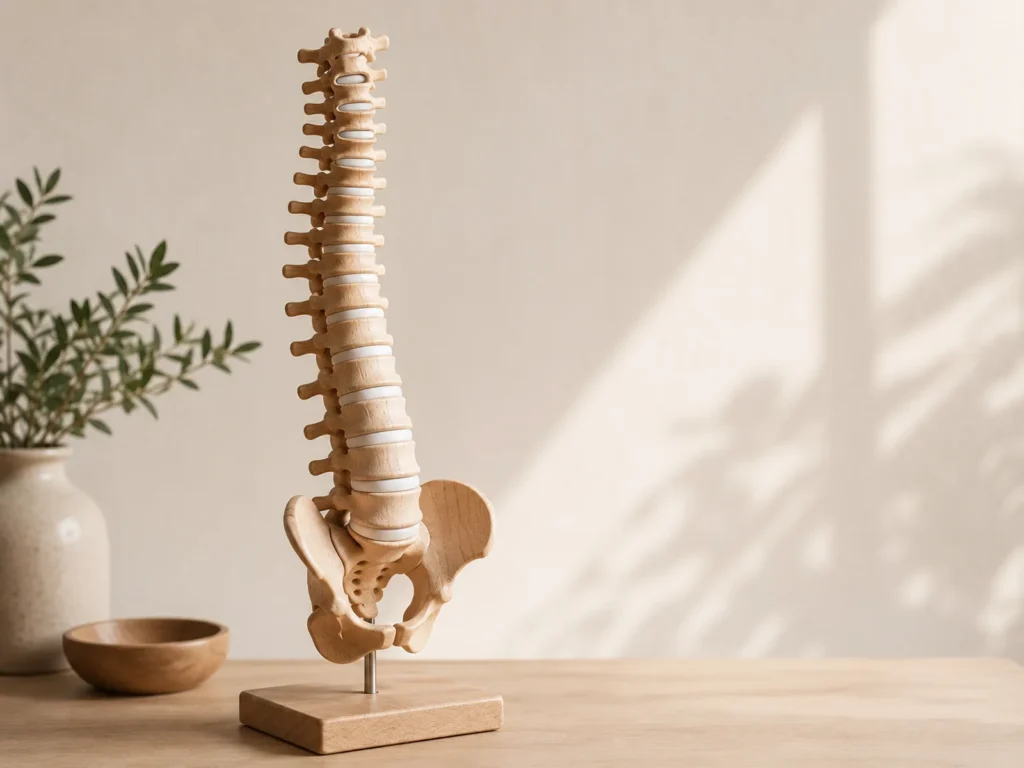
Spine care across the full spinal column — assessed and treated individually
The same diagnosis can affect people differently. Treatment is therefore guided by the assessment findings, symptom behaviour and individual goals rather than by the diagnostic label alone.
01
Disc Herniation
A disc bulge or herniation may cause local back pain or irritate a nerve root, producing pain, tingling, numbness or weakness in the leg. Physiotherapy may include education, symptom-guided movement, progressive strengthening and strategies to restore tolerance for work, exercise and daily activity. Medical referral is recommended when further investigation is indicated.
02
Sciatica
Sciatica describes pain associated with irritation or compression of the sciatic nerve or its nerve roots, often extending from the lower back or buttock into the leg. Assessment considers neurological signs, spinal movement and other possible causes before treatment is planned. Management may include movement guidance, neural mobilisation and progressive exercise where appropriate.
03
Lumbar Stenosis
Lumbar spinal stenosis can cause back or leg symptoms during standing and walking, sometimes easing with sitting or bending forwards. Physiotherapy focuses on maintaining mobility, improving strength and developing practical strategies for walking and everyday activity according to the individual’s presentation.
04
Postural Back Pain
Back discomfort associated with prolonged sitting or sustained positions is rarely explained by posture alone. Physiotherapy considers movement variability, work habits, strength, mobility, stress and overall activity levels. Treatment may combine symptom relief with progressive movement and conditioning.
05
Disc Degeneration
Degenerative changes are common with age and do not always correspond with pain. When symptoms are present, physiotherapy can help improve mobility, strength and confidence in loading the spine. Imaging findings are considered alongside the clinical assessment rather than treated in isolation.
06
Scoliosis-Related Back Pain
Adults and adolescents with scoliosis may experience muscular fatigue, stiffness or pain associated with their individual spinal presentation. Our Schroth-trained physiotherapists can assess the symptoms and incorporate curve-specific exercise principles where appropriate.
07
Upper Back and Thoracic Pain
Upper and middle back pain may relate to sustained positions, reduced thoracic mobility, muscular sensitivity, joint irritation or other contributing factors. Physiotherapy assesses the wider movement pattern and provides treatment or referral according to the clinical findings.
The Clinical Approach
Our Approach to Back Pain Physiotherapy
Back pain treatment begins with an individual assessment and evolves according to the client’s symptoms, movement needs and response to care. The following elements may be used in different combinations rather than as a fixed treatment sequence.
01
Individual Assessment
Your physiotherapist will review the history and behaviour of your symptoms, previous treatment, work and activity demands, spinal movement, strength and relevant neurological signs. The assessment also helps determine whether medical referral or further investigation should be considered.
02
Manual Therapy and Movement Support
Where appropriate, treatment may include joint mobilisation, soft-tissue techniques or neural mobilisation to support comfort and movement. Hands-on treatment is selected according to the individual’s presentation and used alongside education and active rehabilitation.
03
Rehabilitation Exercise and Clinical Pilates
Individualised exercises may be used to develop mobility, trunk control, strength and tolerance for everyday loading. Clinical Pilates can be incorporated within physiotherapy when appropriate, with exercises and equipment settings selected according to the assessment findings.
04
Progression Towards Long-Term Movement
As symptoms stabilise, rehabilitation progresses towards the activities that matter to the client. Those seeking longer-term exercise and conditioning may transition to the Private Pilates team with relevant clinical context shared internally. Private Pilates is a separate exercise service and is generally not insurance-claimable.
Meet Our Experienced Instructors
Our AHPC-registered physiotherapists provide one-to-one assessment and treatment for back pain, combining musculoskeletal physiotherapy with movement-based rehabilitation and Clinical Pilates where appropriate.

CHEAH HUI LIN
Senior Physioterapist
Neuro-Musculoskeletal Physiotherapy, Women’s Health & Clinical Pilates

EUNICE LIM
Senior Physiotherapist
Musculoskeletal Physiotherapy, Clinical Pilates & Chronic Pain

CINDY CHAN
Principal Physiotherapist
Musculoskeletal Physiotherapy, Women’s Health & Sports Injury
FAQ
Questions about back pain physiotherapy at Core Fitness.
- When should I see a physiotherapist for back pain rather than a GP or specialist?
A physiotherapist can be an appropriate first point of contact when back pain persists, recurs or limits work, exercise or everyday activity. Assessment can help determine whether physiotherapy is suitable or whether medical review or imaging should be considered.
Seek urgent medical attention if back pain is accompanied by new loss of bladder or bowel control, numbness around the saddle area, rapidly worsening weakness, significant trauma, fever, unexplained weight loss or other concerning symptoms. A doctor’s referral is not usually required to attend physiotherapy, although some insurance policies may require one for reimbursement. - Can physiotherapy help with a slipped disc or herniated disc?
Physiotherapy is commonly used as part of conservative management for a symptomatic disc bulge or herniation. Treatment depends on the assessment and may include education, symptom-guided movement, progressive strengthening, neural mobilisation and strategies for returning to daily activity. Further medical review may be recommended if symptoms are severe, worsening or associated with significant neurological changes. - I have been told my MRI shows disc degeneration. Does that mean surgery is inevitable?
No. Degenerative changes are common on spinal imaging and do not, by themselves, determine whether someone will experience pain or require surgery. The clinical assessment considers symptoms, function and neurological findings alongside the scan. Many people are managed conservatively through education, appropriate activity and progressive rehabilitation, while specialist review is recommended when specific clinical indications are present. - How many sessions will I need for back pain?
The number and frequency of sessions depend on the cause and duration of the symptoms, the presence of nerve involvement, your activity demands and how you respond to treatment. Your physiotherapist will outline an initial plan after the first assessment and review it as treatment progresses rather than prescribe a fixed number of sessions in advance. - Is Clinical Pilates suitable for back pain?
Clinical Pilates may be incorporated into physiotherapy when it is appropriate for the assessment findings and stage of rehabilitation. Exercises are selected to develop mobility, trunk control, strength and tolerance for everyday activity. This physiotherapy-led service is different from Private Pilates, which is an exercise service delivered by a Pilates instructor. - How does the Core Fitness physiotherapy programme connect to the Pilates programme for back pain?
Once symptoms are stable and progressive exercise is appropriate, clients may transition from physiotherapy to one-to-one Private Pilates for longer-term strength and movement conditioning. Relevant clinical information can be shared internally with consent, helping the Pilates instructor understand the rehabilitation context. Private Pilates is separate from physiotherapy and is generally not insurance-claimable. - Can back pain physiotherapy be claimed under insurance?
Back pain physiotherapy may be insurance-claimable when treatment is provided by an AHPC-registered physiotherapist, depending on the terms of your policy. Coverage, referral requirements and claim limits vary, so please check directly with your insurer before treatment. Private Pilates is a separate exercise service and is generally not insurance-claimable.